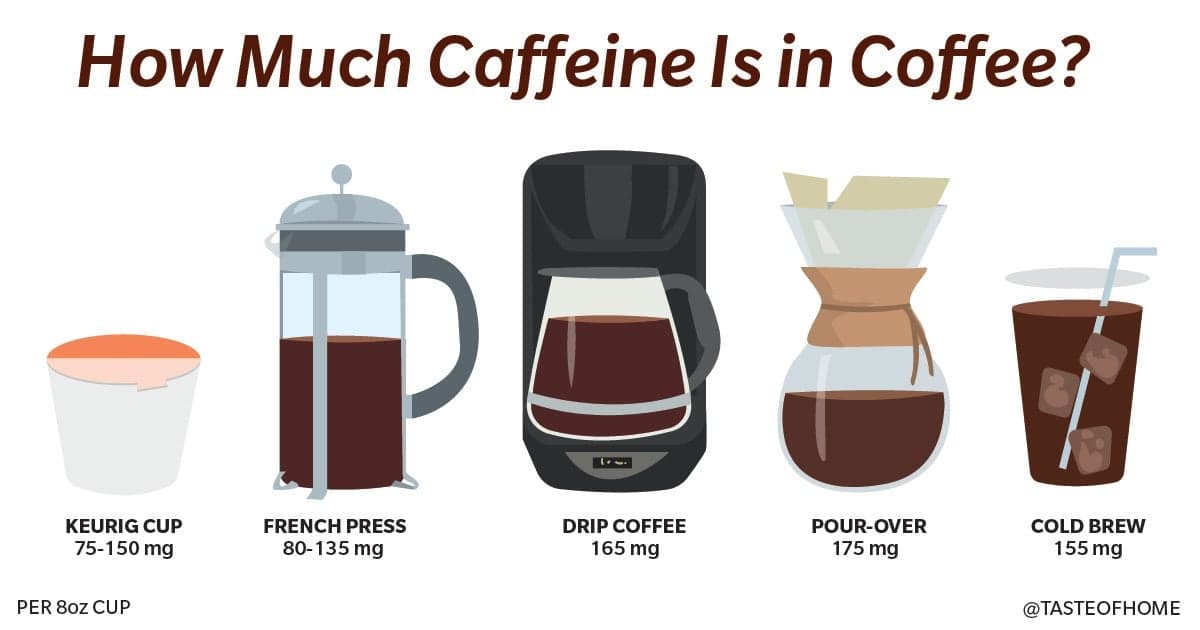
Filter coffee is a daily ritual for millions of households across South India, but its caffeine content is rarely fixed — it depends on how strong the decoction is brewed, how much chicory is blended in, and how much milk dilutes the final cup.
Here's a practical look at what actually determines the caffeine in your tumbler.
What Affects Caffeine Levels
- Coffee-to-chicory ratio — pure coffee has more caffeine than an 80:20 or 70:30 blend
- Decoction strength — a stronger, longer-brewed decoction yields more caffeine per ml
- Cup size and dilution — a small, strong tumbler can have more caffeine than a larger, milkier cup
- Roast level — darker roasts have marginally less caffeine than lighter roasts of the same bean
Filter Coffee vs Other Drinks
A standard cup of South Indian filter coffee generally falls in a similar caffeine range to a cup of drip coffee, and above a cup of black tea. Because it's typically served in smaller cups than Western coffee formats, the caffeine per cup can look modest even though the brew itself is concentrated.
If you're trying to manage your intake, the coffee-to-chicory ratio and cup size are the two easiest levers to adjust.
FAQs
How much caffeine is in a cup of filter coffee?
Roughly 60–100mg for a typical 100–150ml cup, depending on decoction strength and blend.
Does chicory reduce the caffeine content?
Yes — chicory is caffeine-free, so higher-chicory blends have less caffeine per cup than pure coffee.
Is filter coffee stronger than instant coffee?
Generally yes, per ml, though it varies by brand and preparation.
Does roast level change caffeine content?
Only slightly — darker roasts lose a small amount of caffeine during roasting.
Try Our Filter Coffee Powder
Freshly roasted and ground for a consistent brew every time.
Shop Filter Coffee Powder