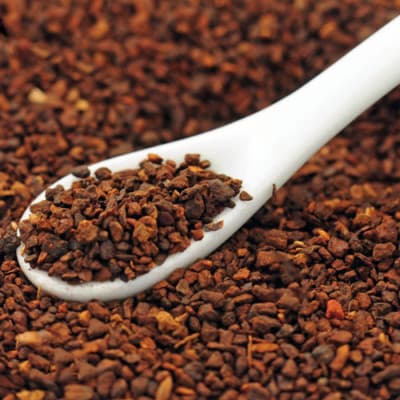
If you've ever looked at a pack of South Indian filter coffee powder and noticed "80:20" or "70:30" on the label, that's referring to a chicory blend — one of the defining features of the region's coffee culture.
Chicory is a root vegetable, related to endive, that's roasted and ground much like coffee beans. Once roasted, it takes on a dark, slightly bitter, almost caramelized flavor that blends surprisingly well with coffee.
Why Chicory Is Blended In
- Adds body and a fuller mouthfeel to the brew
- Contributes a mild, earthy bitterness that balances sweetness from milk and sugar
- Historically used to stretch coffee supplies during shortages, and the flavor stuck
- Naturally caffeine-free, so it slightly reduces the caffeine content of the final blend
Common Chicory Ratios
Blends are usually labeled by their coffee-to-chicory ratio. A 90:10 or 80:20 blend keeps the coffee flavor dominant with just a hint of chicory's bitterness, while a 70:30 or 60:40 blend leans further into chicory's earthy, robust character — often preferred for a stronger decoction.
Neither ratio is "more authentic" than the other — it comes down to regional habit and personal taste.
FAQs
What is chicory made from?
The roasted, ground root of the chicory plant.
Does chicory contain caffeine?
No — it's naturally caffeine-free.
What does 80:20 filter coffee mean?
80% coffee to 20% chicory by weight, a common South Indian ratio.
Why is chicory added to filter coffee at all?
It adds body and an earthy note, and historically helped stretch coffee supplies.
Explore Our Filter Coffee Blends
From pure coffee to classic 80:20 chicory blends.
Shop Filter Coffee Powder